Top Land Clearing Mistakes to Avoid Before Building Begins
Proper preparation is the foundation of any successful construction project. Before any concrete is poured or framing begins, you must properly prepare your site for building. Land clearing is one of the most important early steps, but it is also one of the most commonly underestimated.
We have seen firsthand how completely avoidable land clearing mistakes can delay projects, drive up costs, and compromise a building’s structural integrity. We work closely with property owners, builders, and developers to properly prepare sites before any building begins, helping you make the most of your investment.
Here are the top land clearing mistakes to avoid:
Failing to Conduct a Proper Site Evaluation
One of the biggest mistakes that property owners make is starting the land clearing process without a full understanding of the site’s conditions. Every property has unique characteristics, including soil type, drainage patterns, elevation changes, and underground utilities.
Without a thorough site evaluation, you could encounter unexpected issues down the line. These problems include poor soil stability, hidden debris, or drainage problems that can affect your foundation. At South Central Concrete, we emphasize evaluating the site before clearing begins. This allows us to verify that the land is properly prepared for concrete work and reinforced for long-term structural performance.
Removing Too Much or Too Little Vegetation
Land clearing is not just about removing everything in sight. It pays to be strategic! Over-clearing can cause erosion, drainage issues, and unnecessary environmental impact over time. On the other hand, under-clearing can leave behind roots and organic material that gradually decompose, creating dangerous voids beneath slabs or foundations.
In areas like College Station and Conroe, TX, soil movement and moisture levels can already pose challenges. Leaving buried roots or organic debris beneath a building pad can cause settling and cracking later. Being strategic about the land clearing process helps maintain your site’s integrity by ensuring that only necessary vegetation and obstacles are removed.
Ignoring Proper Grading and Drainage
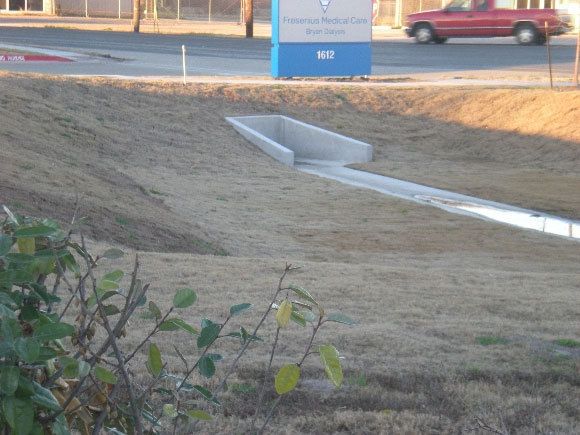
Water is one of the most damaging forces to any structure. If the site is not graded correctly, water can pool around the foundation, leading to erosion, shifting soil, and potential structural damage. Clearing the land without planning for grading and drainage is a major oversight.
In Caldwell, TX and throughout the surrounding region, heavy rains can quickly expose drainage issues. Proper land clearing should always include a grading plan that directs water away from future foundations and paved surfaces.
At South Central Concrete, we understand that successful concrete installation begins with a properly graded and compacted base. We will take the time to plan and execute a proper grading plan for long-term success.
Overlooking Soil Compaction
After your site has been properly cleared, the soil must be properly compacted to create a stable base. Skipping or rushing this step can cause the soil to settle unevenly, cracks to form in concrete slabs, and long-term structural problems to emerge in the finished project.
Loose soil, especially after trees and stumps are removed, must be compacted thoroughly. In growing communities like Conroe and College Station, TX, where new residential and commercial construction is common, proper compaction is critical to allow foundations and flatwork to perform as intended. Our team understands that a well-prepared site reduces the risk of expensive repairs in the future.
Not Addressing Underground Utilities
Striking water lines, gas lines, or electrical conduits can create serious safety hazards and expensive delays. Taking the time to identify and mark underground utilities can protect your workers and keep the project proceeding on schedule.
Before any clearing or excavation begins, coordinate with local utility providers and confirm that all underground services are properly located and marked. Taking this precaution saves you time and stress in the long run.
Attempting DIY Land Clearing
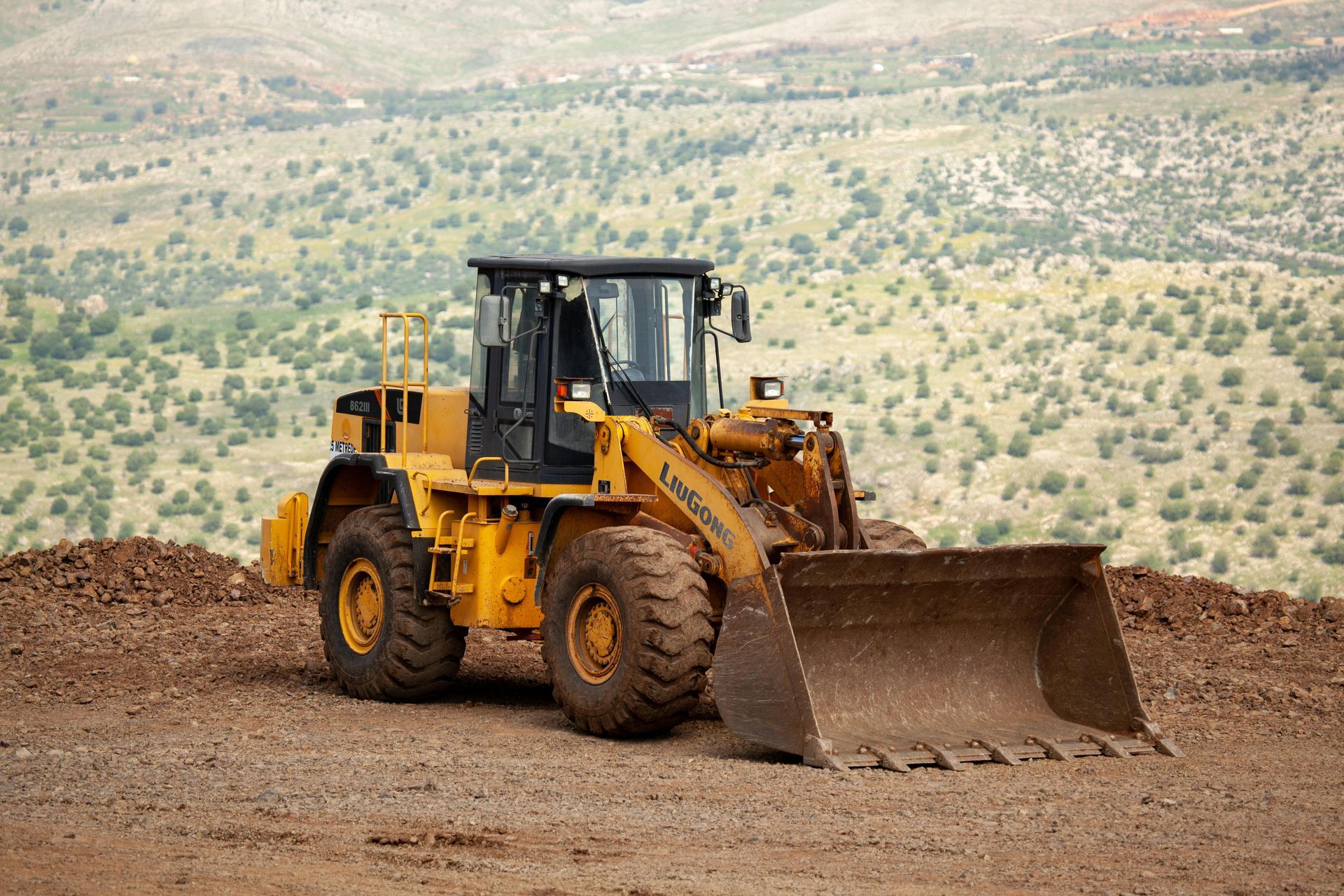
While it may be tempting to handle land clearing independently, especially on smaller residential projects, the risks tend to outweigh the savings. Professional land clearing requires specialized equipment, knowledge of local soil conditions, and an understanding of how site preparation impacts future construction. This helps the project proceed with fewer unexpected hindrances.
Improper clearing can cause building pads to be installed unevenly, hidden debris to accumulate, and unstable ground conditions to develop that affect concrete performance. Working with experienced professionals will ensure that the job is done safely, efficiently, and correctly the first time.
Failing to Plan for the Next Phase of Construction
Land clearing should never be treated as an isolated task. It must align with the overall construction plan, including foundation design, driveways, drainage systems, and other concrete installations.
At South Central Concrete, we approach every project with the end result in mind. Whether we are preparing a residential slab or assisting with a larger commercial project, we ensure that the land clearing step supports the build’s overall structural and functional goals.
Start Your Project on Solid Ground
The success of any construction project depends on what lies beneath the surface. Avoiding common land clearing mistakes can save time, protect your investment, and prevent structural issues down the road.
South Central Concrete proudly offers professional site preparation and concrete services to the College Station, Conroe, and Caldwell, TX areas. If you are planning a new build, contact our team today to make sure that the land clearing process is handled with precision and care. We are committed to helping you start your project on solid ground.