When Should Site Utility Installation Services Be Scheduled?
Site utility installation is one of the most important steps in preparing a property for construction. Whether you are developing a residential subdivision, commercial building, municipal project, or industrial site, utilities must be installed at the right time to keep the project moving safely and efficiently.
Scheduling site utility installation too early can lead to damage or costly rework. Waiting too long can delay construction crews, inspections, and final project completion. Understanding when to schedule these services can help prevent disruptions and keep your project on track.
What Are Site Utility Installation Services?
Site utility installation services involve the placement and connection of essential underground infrastructure. These systems may include:
- Water lines
- Sewer lines
- Storm drainage systems
- Gas lines
- Electrical conduits
- Telecommunications conduits
- Fire lines
- Utility vaults and manholes
These utilities provide the basic services a property needs before buildings, roads, parking lots, landscaping, and other improvements can be completed.
Schedule Utility Installation During the Pre-Construction Planning Phase
The best time to begin scheduling site utility installation is during the pre-construction planning phase. At this stage, engineers, contractors, developers, and utility providers can review site plans and identify the proper layout for underground systems.
Early coordination helps ensure that utility locations are aligned with grading plans, building footprints, drainage requirements, roadways, and future site access. It also allows time to secure permits, order materials, and coordinate with local authorities or utility companies.
After Site Plans & Permits Are Approved
Utility installation should typically be scheduled after final site plans have been reviewed and permits have been approved. Installing utilities before approvals are finalized can create problems if design changes are required.
Permit approval confirms that the proposed utility work meets local codes, safety standards, and municipal requirements. This helps reduce the risk of failed inspections, redesigns, or unexpected delays.
After Clearing and Rough Grading
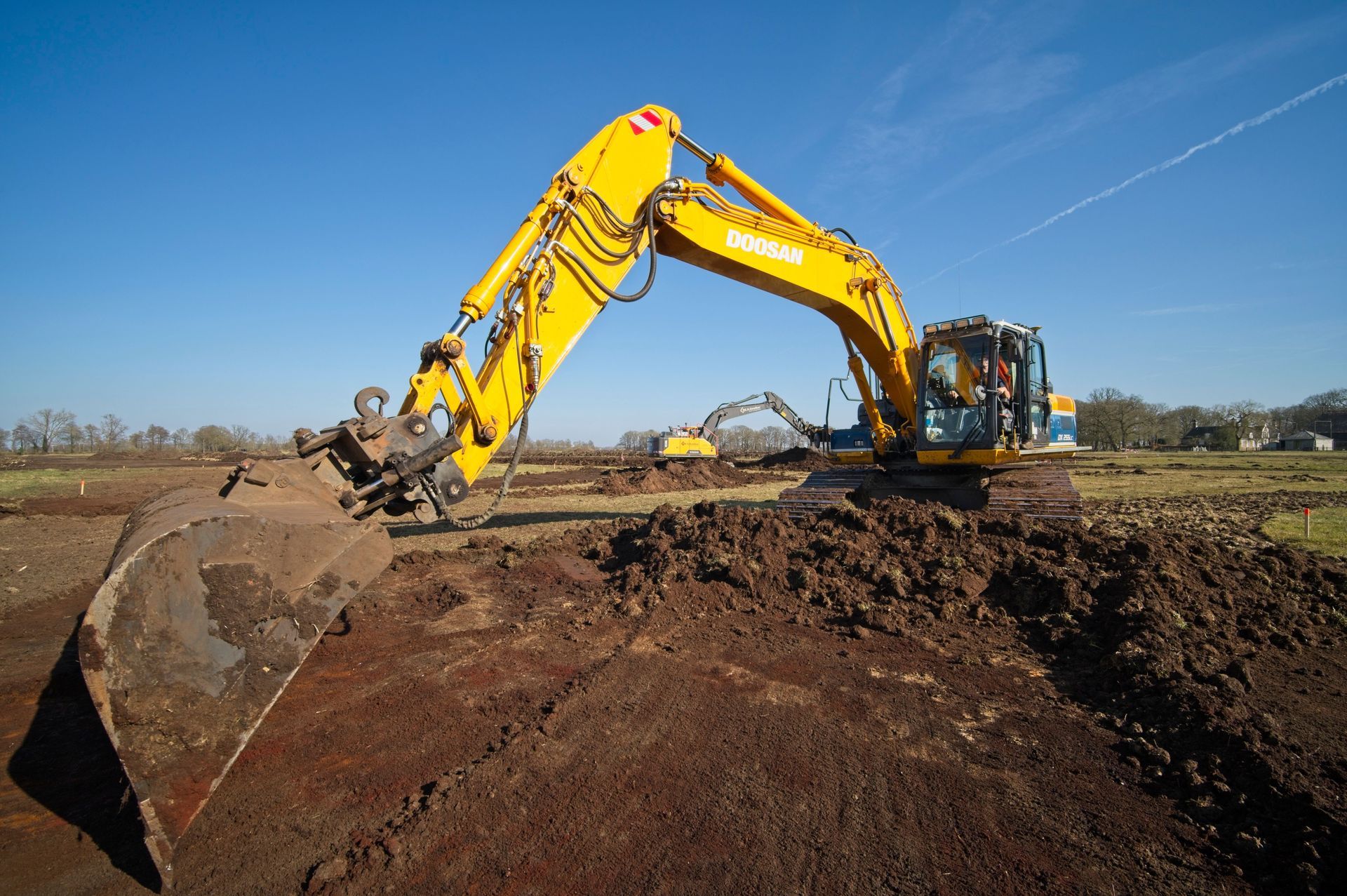
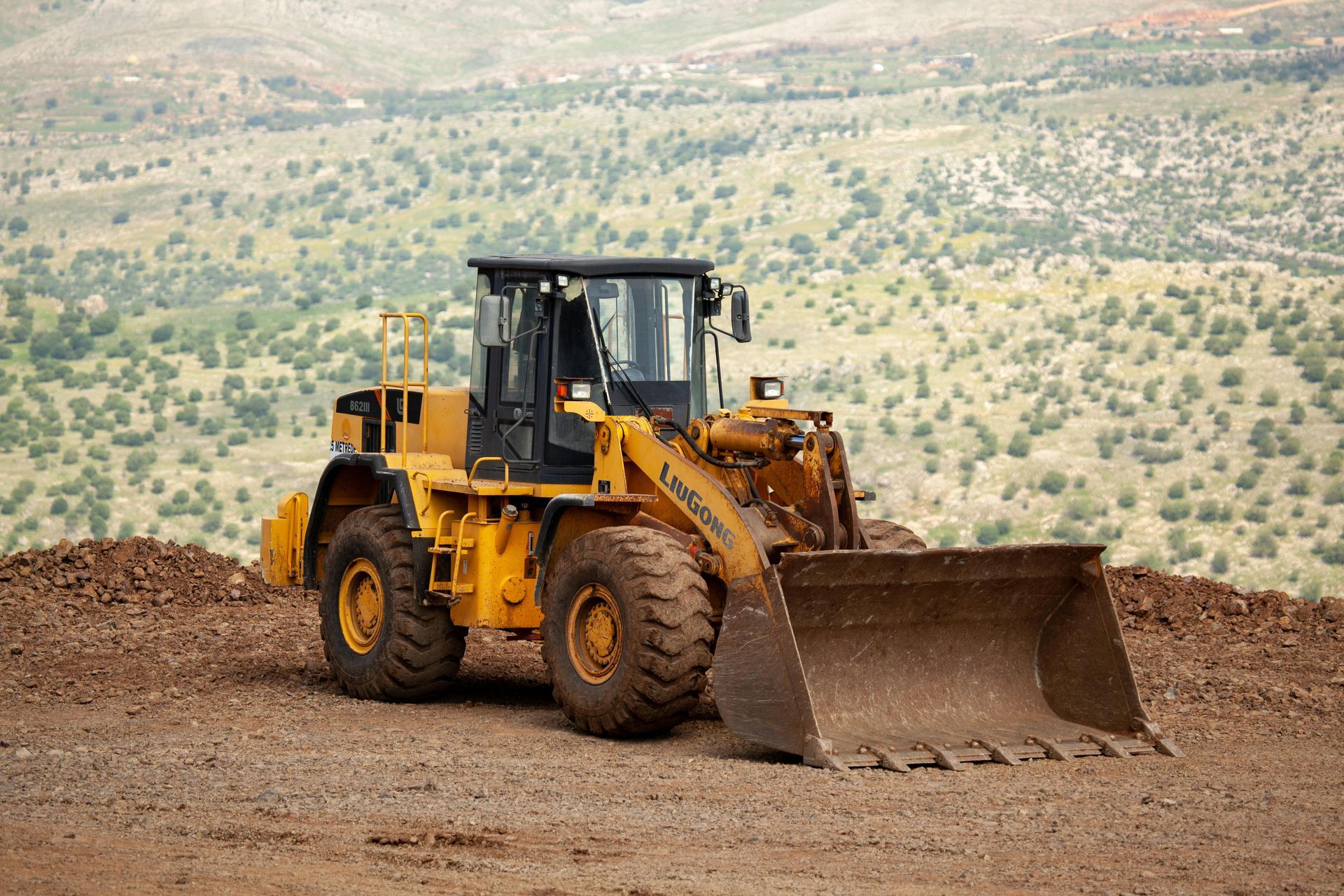
In most cases, site utility installation should take place after land clearing and rough grading are complete. Clearing removes trees, brush, debris, and structures that may interfere with excavation. Rough grading shapes the site so crews can properly install underground systems at the correct elevations.
Installing utilities before rough grading may expose pipes, damage lines, or require crews to reinstall sections after the site elevation changes.
Before Roads, Curbs, Sidewalks, and Paving
Utility installation should generally be completed before permanent surface improvements are installed. This includes roads, curbs, sidewalks, parking lots, driveways, and paved access areas.
Because many utility systems are underground, installing them after paving can require cutting into finished surfaces. This adds cost, creates delays, and may reduce the quality or appearance of the finished project.
Before Building Construction Reaches Critical Stages
Site utilities should also be scheduled before construction crews need active service connections. Water, sewer, fire protection, and electrical infrastructure may be required for inspections, temporary construction needs, or building occupancy.
Coordinating utility installation with the vertical construction schedule helps avoid delays when contractors are ready to connect the building to essential services.
Allow Time for Inspections and Testing
Utility installation is not complete as soon as pipes or conduits are placed in the ground. Many systems require inspections, pressure testing, compaction testing, and approval from local agencies before trenches can be backfilled or the next phase can begin.
These requirements should be built into the schedule to avoid last-minute delays.
Why Proper Scheduling Matters
Scheduling site utility installation at the right time can provide several important benefits, including:
- Fewer construction delays
- Reduced risk of rework
- Better coordination between contractors
- Improved site safety
- Lower overall project costs
- Smoother inspections and approvals
- Protection of finished surfaces and infrastructure
When utility installation is planned carefully, the entire construction process becomes more efficient.
Access Innovative Site Utilities With Our Qualified Team
Site utility installation services should be scheduled early in the planning process but performed at the right stage of construction. In general, utility work should take place after site plans and permits are approved, after clearing and rough grading, and before paving, landscaping, and major building connections are needed. If you're interested in learning more about this process, we urge you to contact one of the knowledgeable representatives at South Central Concrete. Our certified team members are proud to assist all sorts of clients across the Conroe and College Station, TX communities.