Land Clearing for Rural Properties vs Urban Lots: Challenges & Solutions
Land clearing is a critical first step in preparing any property for development. Whether the project takes place on a sprawling rural tract or a compact urban lot, the process involves removing vegetation, debris, and obstacles to create a build-ready surface. Regardless of where it is, the challenges and strategies involved can vary significantly depending on the environment. Below, we break down the key differences between rural and urban land clearing, the obstacles each presents, and practical solutions for navigating both successfully.
Understanding the Basics of Land Clearing
Land clearing involves removing trees, brush, rocks, and other natural or man-made obstructions to prepare a site for construction or landscaping. This process is often paired with grading and site preparation to ensure a stable foundation for future work.
For both rural and urban projects, proper land clearing is essential because it directly affects the success of everything that follows. Poorly cleared land can lead to drainage issues, unstable foundations, and costly delays. Typical land clearing tasks include:
- Tree and stump removal
- Brush and vegetation clearing
- Rock and debris removal
- Grading and leveling
- Preparing for utilities and infrastructure
Without these steps, construction projects may face structural complications or inefficiencies later on. In fact, clearing and preparing land properly helps reduce long-term costs and ensures smoother project execution.
Challenges of Land Clearing for Rural Properties
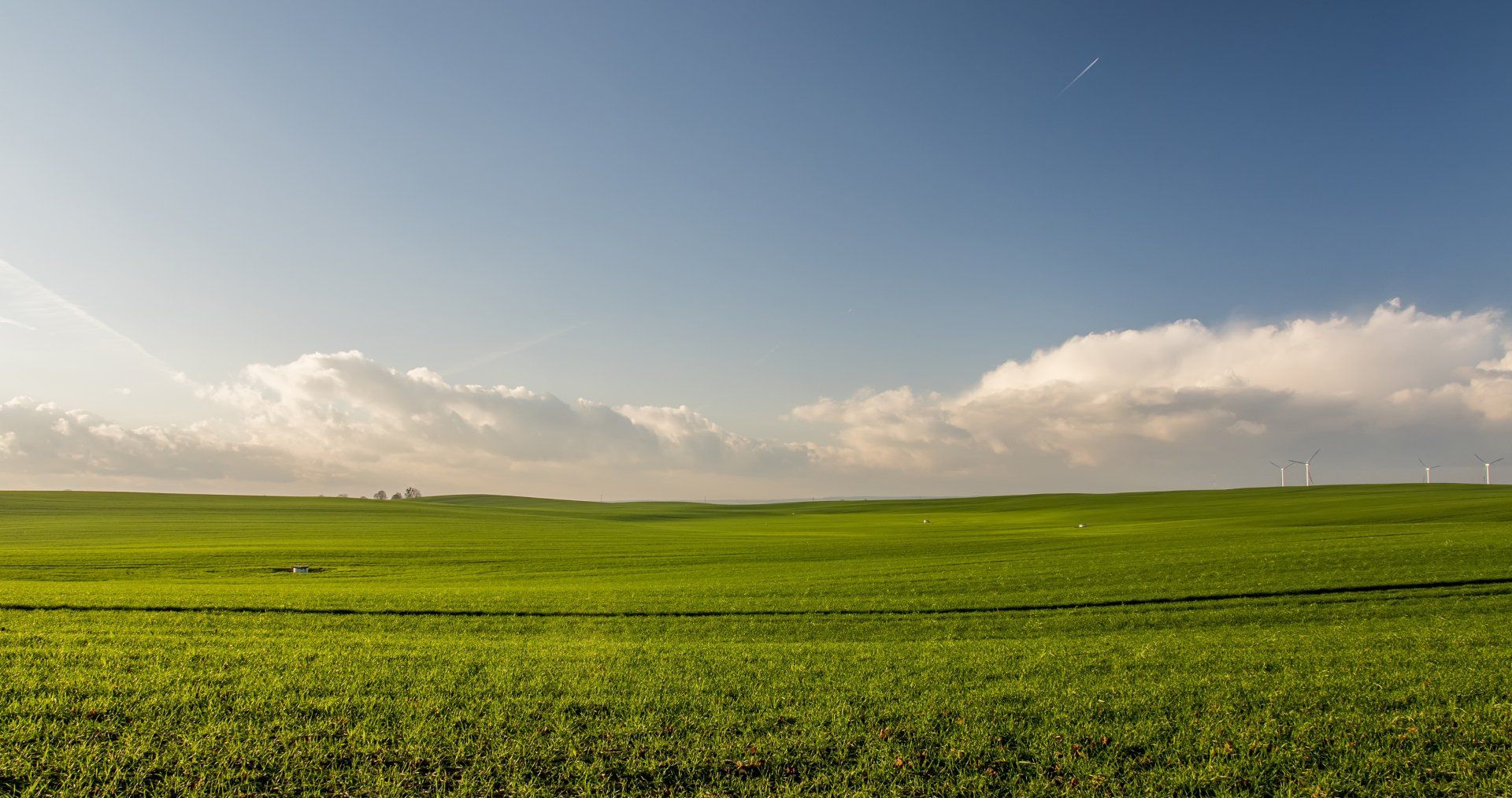
Rural land clearing often involves large, undeveloped areas with dense vegetation and minimal prior infrastructure. While the space offers flexibility, it also introduces complexity due to the scale and natural conditions.
One of the biggest challenges is the sheer volume of material that must be removed. Rural properties frequently contain thick tree cover, deep root systems, and uneven terrain, all of which require heavy-duty equipment and careful planning. Common rural challenges include:
- Dense forests and overgrowth
- Large tree and stump removal
- Uneven or sloped terrain
- Limited access for equipment
- Environmental considerations (wildlife, soil preservation)
Rural sites may also lack access roads or utilities, making it harder to transport machinery and materials. This can increase both time and cost. Clearing must also be done thoughtfully to prevent soil erosion and maintain long-term land usability.
Solutions for rural land clearing typically involve:
- Using specialized heavy machinery for large-scale removal
- Phased clearing to manage the environmental effects
- Strategic grading to improve drainage and accessibility
Challenges of Land Clearing for Urban Lots
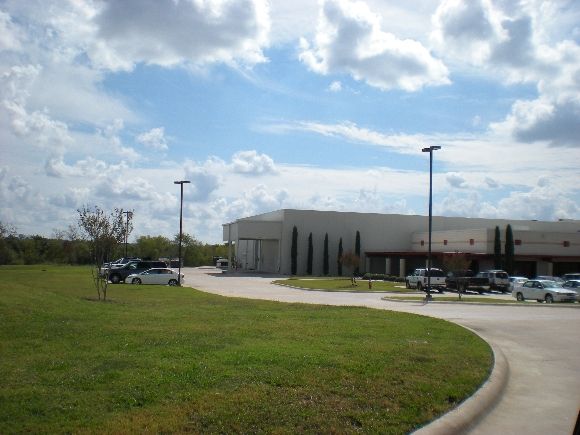
Urban land clearing presents a completely different set of constraints. Unlike rural properties, urban lots are typically smaller and surrounded by existing buildings, infrastructure, and strict regulations.
The limited space means that precision is key. Equipment must be carefully selected to avoid damaging nearby structures, sidewalks, or utility lines. In many cases, demolition and debris removal are just as important as clearing vegetation. Common urban challenges include:
- Tight spaces and restricted access
- Nearby buildings and infrastructure
- Underground utilities and zoning restrictions
- Noise and environmental regulations
- Managing debris in confined areas
Urban projects also often require detailed planning and permits before any work begins. Contractors must coordinate with local authorities and utility companies to ensure safe operations.
Effective Solutions for Urban Land Clearing Include:
- Using compact or specialized equipment for tight spaces
- Conducting thorough site surveys before clearing
- Coordinating utility marking and protection
- Implementing efficient debris removal strategies
Key Differences Between Rural and Urban Land Clearing
While both types of projects aim to prepare land for development, the approach differs significantly due to scale, environment, and logistics.
Rural Land Clearing is Typically:
- Larger in scope
- Focused on natural obstacles
- Less restricted by nearby structures
Urban Land Clearing is Typically:
- Smaller but more complex
- Focused on precision and safety
- Heavily regulated
Another major difference lies in project timelines. Rural projects may take longer due to size, while urban projects may face delays from permitting and coordination requirements. Understanding these differences helps property owners and developers choose the right approach and resources for their specific project.
Solutions & Best Practices for Successful Land Clearing
Regardless of location, certain best practices can help ensure a smooth and efficient land clearing process. Proper planning and professional execution are key to avoiding setbacks. Important best practices include:
- Conducting a detailed site assessment before starting
- Identifying environmental or regulatory constraints
- Choosing the right equipment for the job
- Planning for drainage and soil stability
- Coordinating with utility providers when necessary
Hiring experienced professionals is especially important, as land clearing involves technical knowledge, safety considerations, and specialized machinery. A well-executed clearing process sets the foundation for all future construction activities.
Land Clearing Services from South Central Concrete
At South Central Concrete, we provide comprehensive land clearing and site preparation services designed to support both residential and commercial construction projects throughout College Station, Conroe, and Caldwell, TX; as well as the surrounding areas. Our team handles everything from removing brush and trees to preparing land for utilities and building foundations. We also assist with dirt hauling and debris removal, site grading and preparation, installation of site utilities, and preparing land for construction projects of various sizes.
With experience handling projects ranging from small developments to large commercial sites, we’re equipped with the machinery and knowledge needed to manage complex land clearing tasks. By offering a wide range of site preparation services alongside land clearing, our company helps streamline the early stages of construction to make it easier for property owners and developers to move forward with confidence.
Contact us today to discuss your next project!