Dirt Hauling and Land Clearing: How They Work Together During Site Preparation
Dirt Hauling and Land Clearing: How They Work Together During Site Preparation
Preparing land for construction involves much more than removing trees and brush. Before a new home, commercial building, driveway, pond, or other improvement can be built, the property may need to be cleared, debris removed, excess soil hauled away, and the ground prepared for the next stage of construction.
Land clearing and dirt hauling often work together as part of a complete site preparation process. Clearing creates usable space by removing vegetation, trees, stumps, and other obstacles, while dirt hauling helps remove unwanted soil and debris or transport material where it is needed. Coordinating these services can help keep a project moving efficiently and leave the property ready for grading, excavation, or construction.
What Is Land Clearing?
Land clearing involves removing vegetation and other obstacles from a designated area of a property. Depending on the site and project requirements, this can include trees, brush, stumps, roots, fallen timber, and other organic debris.
A professional land clearing project typically begins with an assessment of the property and the areas that need to be disturbed. It is important to establish clearing limits and identify vegetation or other features that should remain protected. Limiting unnecessary disturbance can help preserve existing vegetation and reduce the amount of soil exposed during construction.
Once the site is cleared, the remaining stumps, roots, and debris may need to be removed before earthwork can begin. This creates a cleaner working area for excavation, grading, foundation work, utilities, and other construction activities.
What Is Dirt Hauling?
Dirt hauling involves transporting soil, fill material, and other excavated materials to or from a job site. During site preparation, hauling may be necessary when a project produces more soil than can be reused on the property or when additional material is needed to achieve the desired elevations.
For example, excavation may produce excess dirt that needs to be removed from the property. In another situation, a site may require clean fill or other approved material to build up low areas, establish grades, or prepare a construction pad.
The material destination depends on its condition, the project requirements, and applicable local requirements. When suitable, some excavated soil may be reused or stockpiled for later use rather than immediately hauled away.
How Land Clearing and Dirt Hauling Work Together
Land clearing and dirt hauling address different parts of site preparation, but they are closely connected. Clearing removes what is growing or sitting on the land, while hauling helps manage the material generated during clearing and subsequent earthwork.
A typical project may follow a process such as:
1. Assess and Plan the Site
Before equipment arrives, the property should be evaluated to determine the areas that need to be cleared, the desired finished grades, access requirements, and materials that may need to be removed or brought onto the property.
2. Clear Trees, Brush, and Vegetation
Trees, brush, and other unwanted vegetation are removed from the designated work area. Stumps and roots may also need to be excavated, particularly where foundations, driveways, utilities, or other improvements will be installed.
3. Remove and Manage Debris
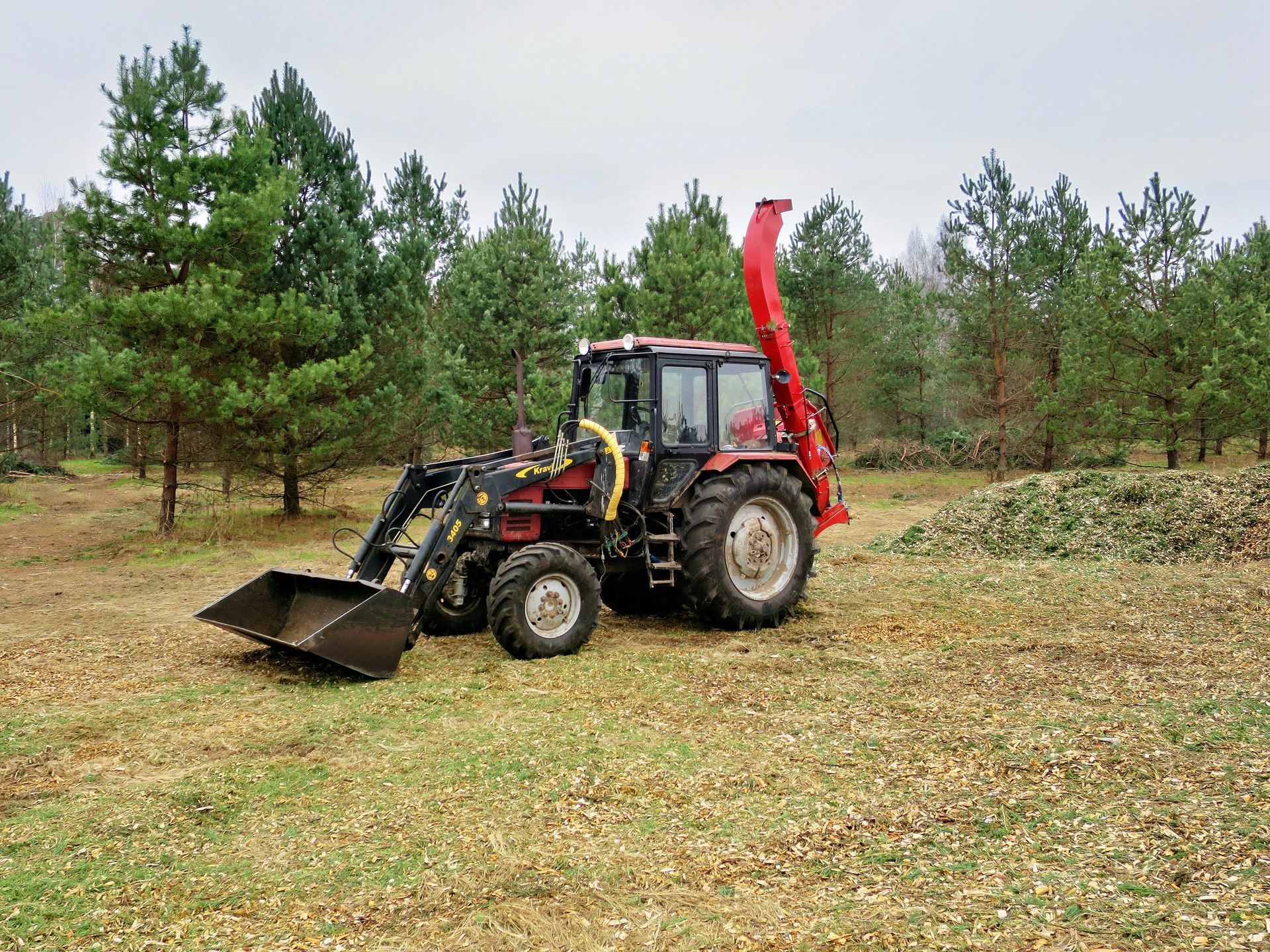
Clearing can generate substantial amounts of wood, brush, stumps, and other organic debris. These materials need to be processed, relocated, reused, or hauled away so they do not interfere with subsequent site work.
4. Excavate and Move Soil
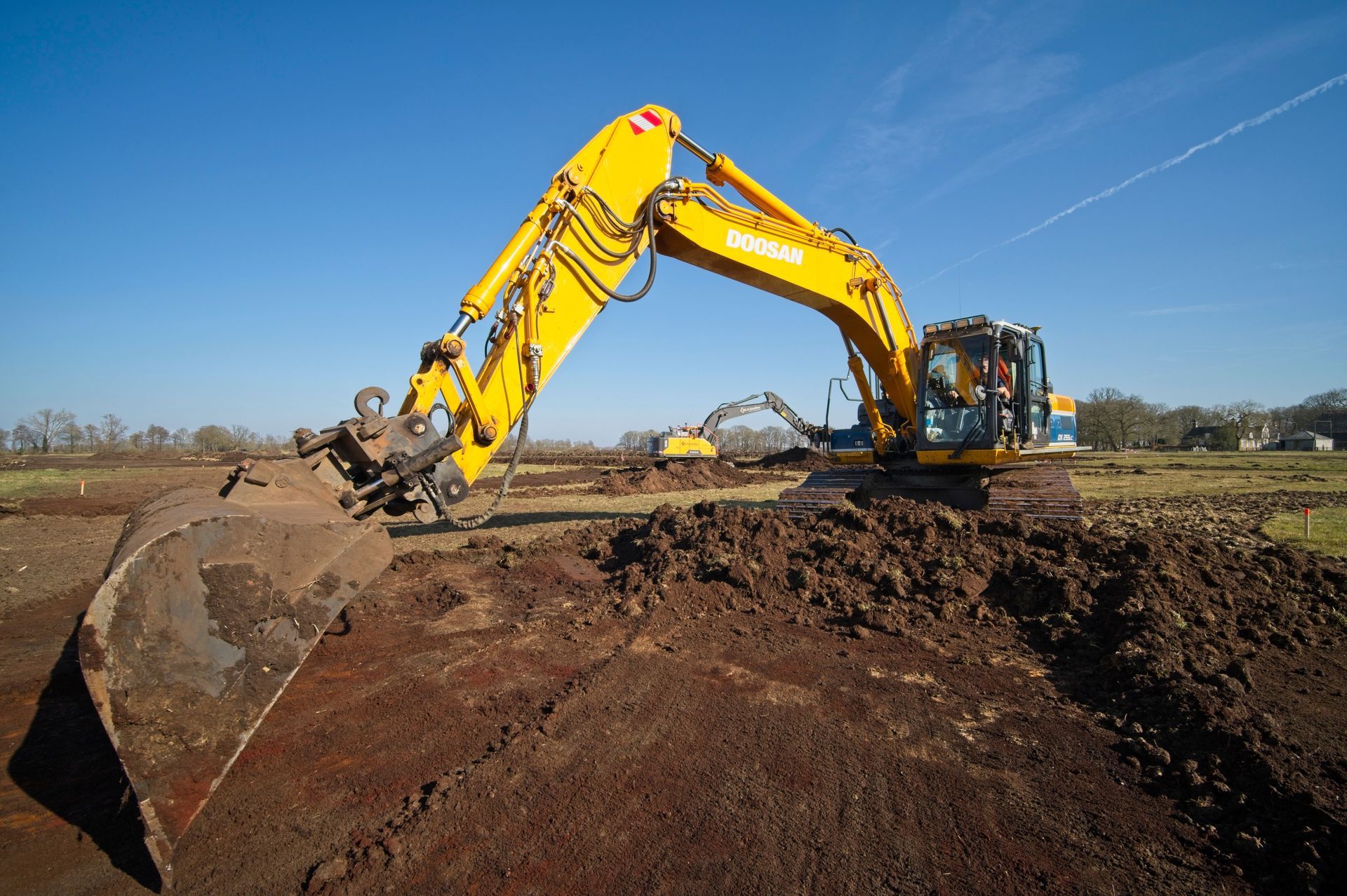
Once the site is accessible, excavation and earthwork can begin. Soil may be moved from higher areas to lower areas as part of cut-and-fill operations, or unsuitable or excess material may need to be removed from the property.
5. Haul Away Excess Material
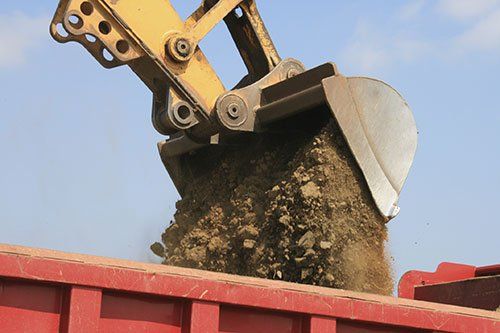
If there is more dirt or debris than the site can accommodate, hauling provides a way to keep the work area clear. Coordinating trucks with excavation and clearing equipment can help reduce downtime and keep material moving.
6. Prepare the Site for Construction
After clearing, hauling, excavation, and grading are completed, the site can be prepared for the next phase of construction. Depending on the project, this may include establishing drainage, preparing a building pad, creating access areas, or completing additional grading and compaction.
Why Proper Coordination Matters
The sequence of site preparation activities can affect both efficiency and the condition of the property. Clearing too much land too early can leave unnecessary areas exposed to erosion, while poorly coordinated hauling can create access problems or leave piles of material in areas needed for construction. Construction best practices generally recommend limiting disturbed areas and coordinating work so exposed soil is stabilized as soon as practical.
Coordinating land clearing and dirt hauling also allows equipment and trucks to be scheduled around the project's needs. Rather than treating clearing, debris removal, excavation, and hauling as completely separate tasks, they can be planned as connected stages of the overall site preparation process.
When Do You Need Dirt Hauling During Land Clearing?
Not every land clearing project requires dirt hauling. However, hauling may become necessary when:
- Excavation creates excess soil
- Existing soil is unsuitable for the planned construction
- Trees, stumps, and clearing debris need to be removed
- The finished grade requires substantial cut-and-fill work
- A building pad needs additional fill material
- A driveway or access road requires imported material
- The property does not have adequate space for stockpiling
- Construction plans require specific elevations
Determining whether material should be reused, stockpiled, imported, or hauled away is an important part of planning the project.
Preparing Your Property for the Next Stage - Contact Us to Start Your Project!
Effective site preparation creates a cleaner and more manageable starting point for construction. Land clearing removes the physical obstacles, while dirt hauling helps manage the soil and material generated throughout the process. When these services are properly coordinated, contractors can move from raw or overgrown property toward a site that is ready for grading, excavation, utilities, foundations, or other improvements.
If your upcoming project requires land clearing and dirt hauling, working with a contractor who can coordinate the necessary equipment, material removal, and site preparation can help streamline the process from the beginning. Proper planning also helps minimize unnecessary disturbance and keeps the project aligned with its intended construction sequence. MA Healthy Soils
Need to prepare your property for construction? Contact us to discuss your land clearing, dirt hauling, and site preparation needs!