What Landowners Should Know About Soil Health After Land Clearing
Learn More About Soil Health & the Land Clearing Process
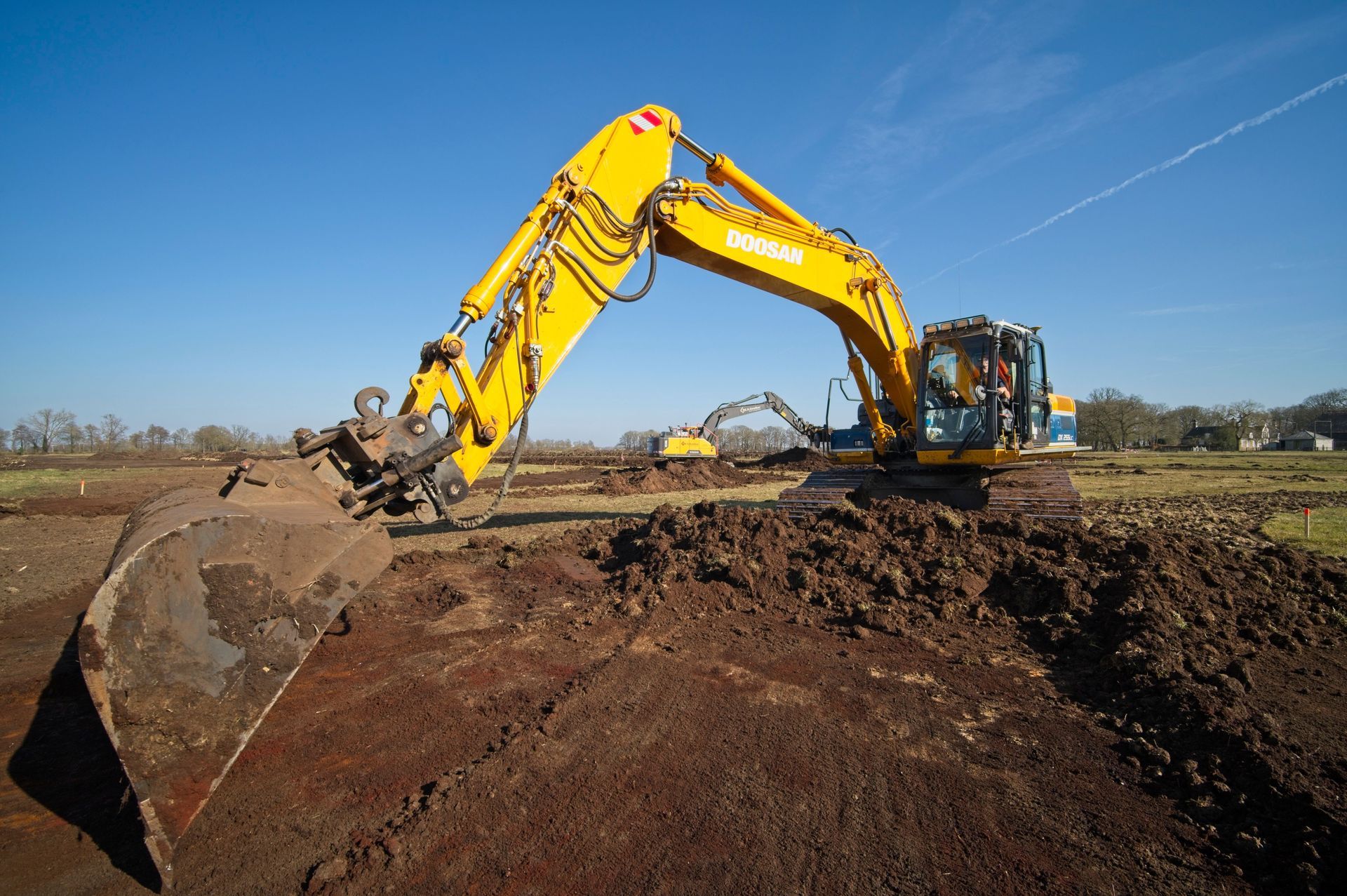
Land clearing is often the first step in preparing property for construction, agriculture, or landscaping improvements. While removing trees, brush, and debris creates a usable space, it can also have a significant impact on soil health. Understanding how clearing affects your soil—and how to restore and maintain it—is essential for long-term success on your property.
Here’s what landowners should know about protecting and improving soil health after land clearing.
How Land Clearing Affects Soil
When vegetation is removed, the soil loses a natural layer of protection. Tree roots, organic matter, and plant cover all play a role in maintaining soil structure and fertility.
After clearing, soil may experience:
- Increased erosion from wind and rain
- Loss of nutrients and organic matter
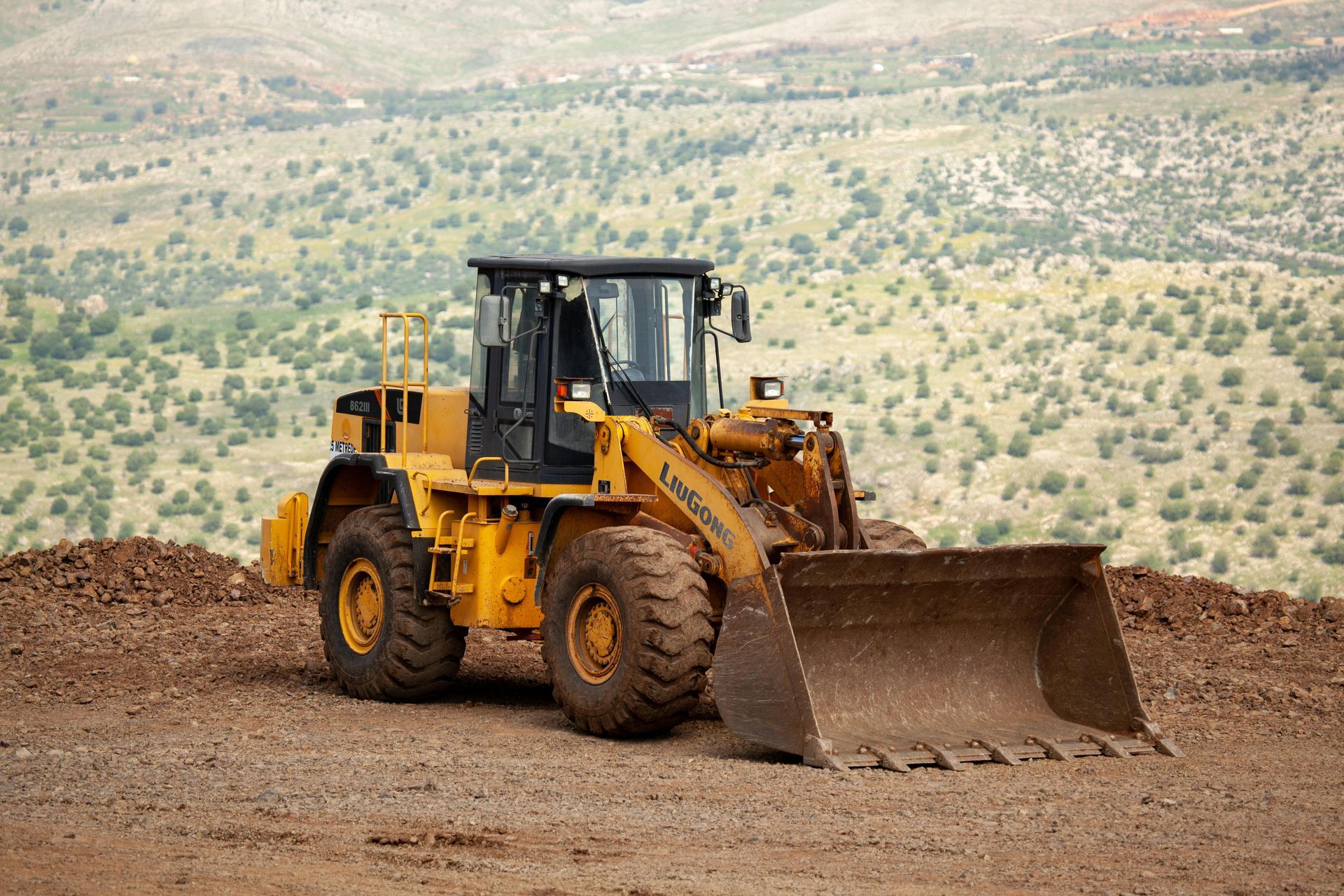
- Compaction from heavy equipment
- Reduced moisture retention
Without proper care, these issues can make it more difficult to support healthy plant growth or stable construction.
Preventing Soil Erosion
One of the biggest concerns after land clearing is erosion. Bare soil is highly vulnerable, especially during heavy rainfall.
To reduce erosion:
- Install silt fences or erosion control barriers
- Use straw, mulch, or erosion control blankets
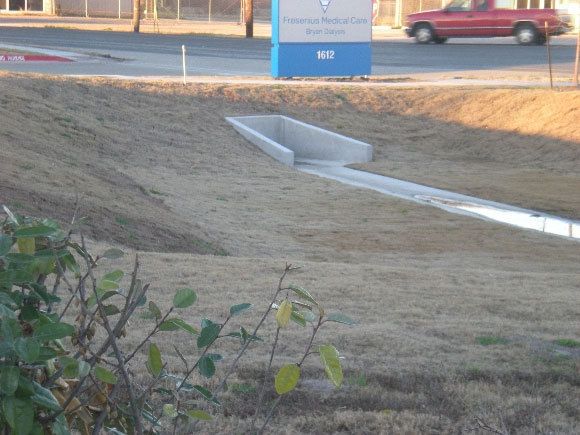
- Maintain proper drainage to direct water flow
- Avoid leaving soil exposed for extended periods
Taking early action can help preserve topsoil and prevent costly damage.
Rebuilding Soil Nutrients
Clearing land often removes nutrient-rich organic material that supports plant life. Restoring these nutrients is key to maintaining soil health.
Ways to improve soil fertility include:
- Adding compost or organic matter
- Applying nutrient-rich topsoil
- Using cover crops to replenish nutrients
- Conducting soil testing to determine deficiencies
Rebuilding soil nutrients helps create a strong foundation for future landscaping or agricultural use.
Reducing Soil Compaction
Heavy machinery used during land clearing can compact the soil, making it harder for water, air, and roots to penetrate.
To address compaction:
- Aerate the soil to improve airflow
- Limit heavy equipment use after clearing
- Incorporate organic material to loosen soil structure
Healthy, well-aerated soil supports stronger root systems and better plant growth.
Managing Drainage & Water Flow
Proper drainage becomes even more important after land clearing. Without vegetation to absorb water, runoff can increase and lead to pooling or erosion.
Consider:
- Grading the land to direct water away from structures
- Installing drainage systems if needed
- Using swales or retention areas to manage runoff
Good water management helps protect both your soil and your property.
Timing Matters
The sooner you address soil health after clearing, the better. Leaving soil exposed for too long increases the risk of damage.
Ideally:
- Begin erosion control immediately after clearing
- Plan for reseeding or planting as soon as possible
- Monitor soil conditions regularly
Proactive steps can prevent long-term issues and reduce maintenance costs.
Contact Our Experienced Land Clearing Team to Learn More
Land clearing is an important step in many property projects, but it’s only the beginning. Protecting and restoring soil health afterward is essential for maintaining the long-term value and usability of your land.
By addressing erosion, rebuilding nutrients, improving drainage, and reintroducing vegetation, you can create a healthy, stable foundation for whatever comes next—whether it’s construction, landscaping, or agricultural use. If you're interested in learning more about soil health and the land clearing process, don't waste another moment. Contact one of the knowledgeable representatives at South Central Concrete to get started!